October 2, 2026
Homeowners evaluating material options for kitchen and bathroom renovations often face a rewarding decision between two exceptional natural stones. Selecting natural stone countertops requires understanding how different materials perform under daily use while delivering the desired visual impact. Both quartzite and granite offer distinct physical properties, aesthetic features, and maintenance needs that shape their long-term value.
Making a wise choice involves examining how each material forms beneath the surface of the Earth, how it resists wear, and how it fits into a household budget. By exploring the unique qualities of these natural stone surfaces, property owners can confidently choose an option that aligns with their personal style and practical requirements.
Examine Quartzite Surface Characteristics
Quartzite is a dense metamorphic stone created when high heat and tectonic pressure transform natural sandstone over long periods. This intense geological process locks quartz crystals tightly together, producing a surface that is exceptionally hard and resistant to scratching. Because of its structural origins, quartzite displays a subtle, elegant appearance that frequently mirrors the soft veining of luxury marble while offering superior physical strength.
Color variations in quartzite stem from trace minerals present during its natural formation under the crust of the Earth. Slabs can range from crisp whites and muted grays to vivid shades of pink, green, and deep red. These natural mineral hues create unique visual patterns, ensuring that no two installations ever look identical and giving each space a distinct character.
Proper maintenance preserves the natural beauty of this resilient stone and prevents damage from frequent household spills. Because natural quartzite exhibits varying degrees of porosity, regular sealing protects the interior structure from liquid penetration and staining. Simple routine cleaning using mild soap and warm water helps maintain its refined finish over many years of continuous use when installing these natural stone countertops.
Discover Granite Surface Characteristics
Granite forms as an igneous rock when molten magma cools and crystallizes slowly beneath the surface of the Earth. Composed primarily of quartz, feldspar, and mica, this stone features a characteristic coarse-grained texture known for remarkable structural stability. Once extracted from quarries and cut into polished slabs, it serves as a dependable material to create beautiful, durable countertops.
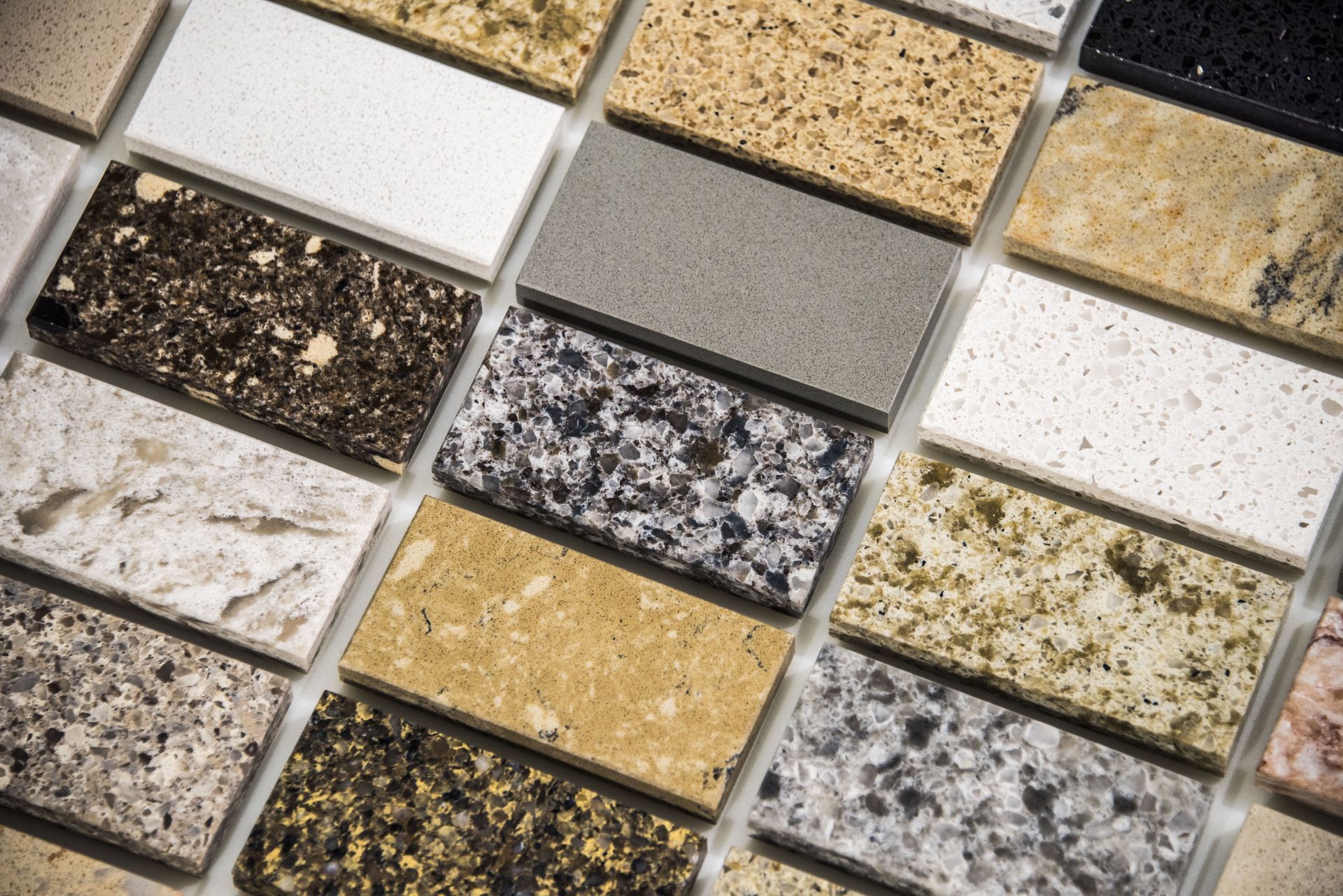
The rich mineral composition of granite creates an impressive spectrum of colors and distinct speckled patterns. Slabs showcase dynamic combinations of dark blues, rich blacks, warm beige tones, and soft whites. These distinct visual textures allow property owners to complement both traditional and contemporary design aesthetics with relative ease.
Maintaining granite surfaces requires a straightforward care routine to safeguard against everyday wear and moisture. Applying a protective stone sealer on a regular schedule prevents liquid absorption and protects against persistent stains. Daily care involves wiping down the surface with non-abrasive cleaners to preserve its natural luster and smooth feel over time.
Compare Aesthetic Visual Features
Visual distinctions between quartzite and granite stem directly from their underlying geological structures and patterns. Quartzite generally features delicate, sweeping veins and soft color transitions that mimic classic marble. Granite displays more pronounced speckles, bold mineral spots, and dramatic contrasting tones that create a vibrant visual statement in any room.
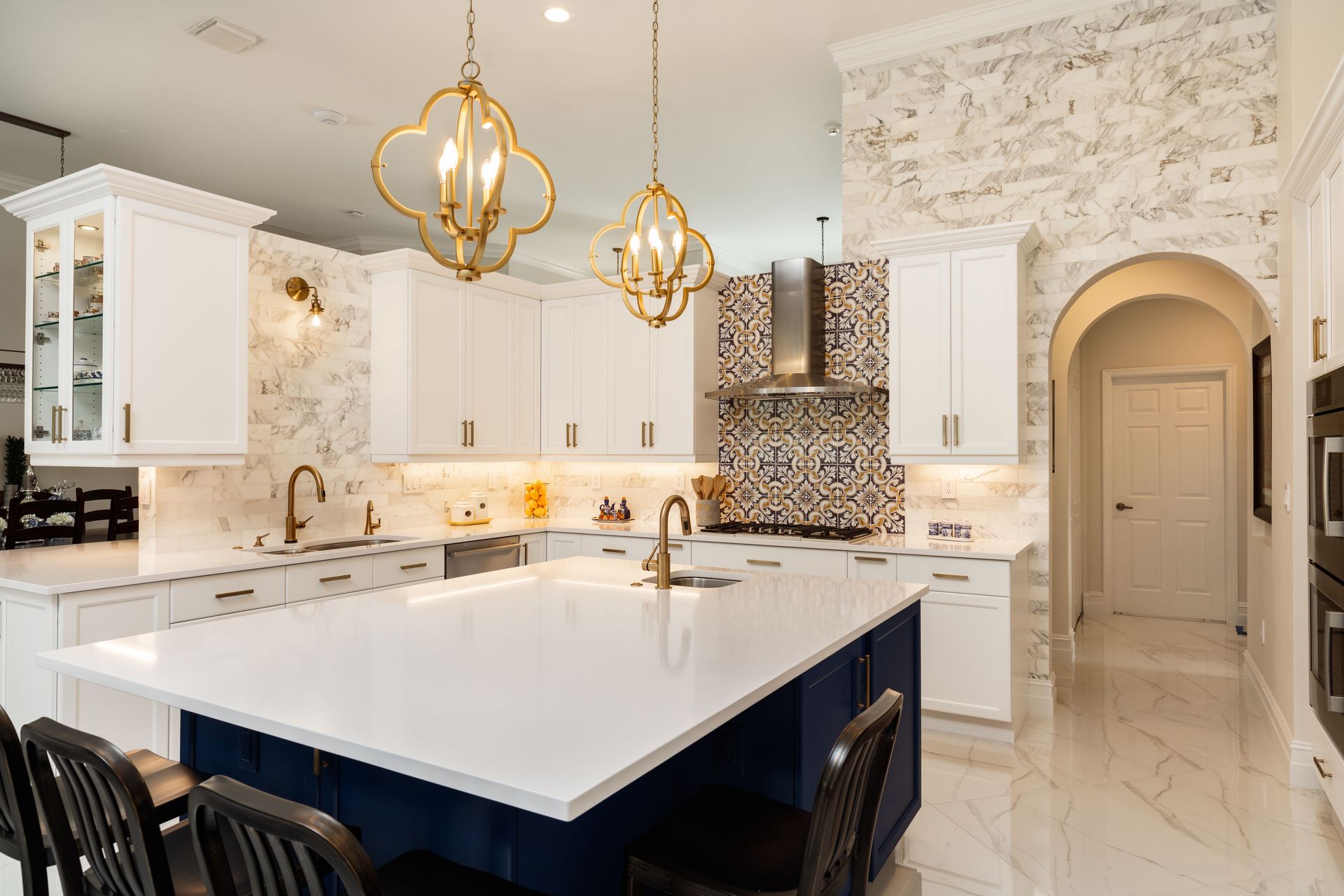
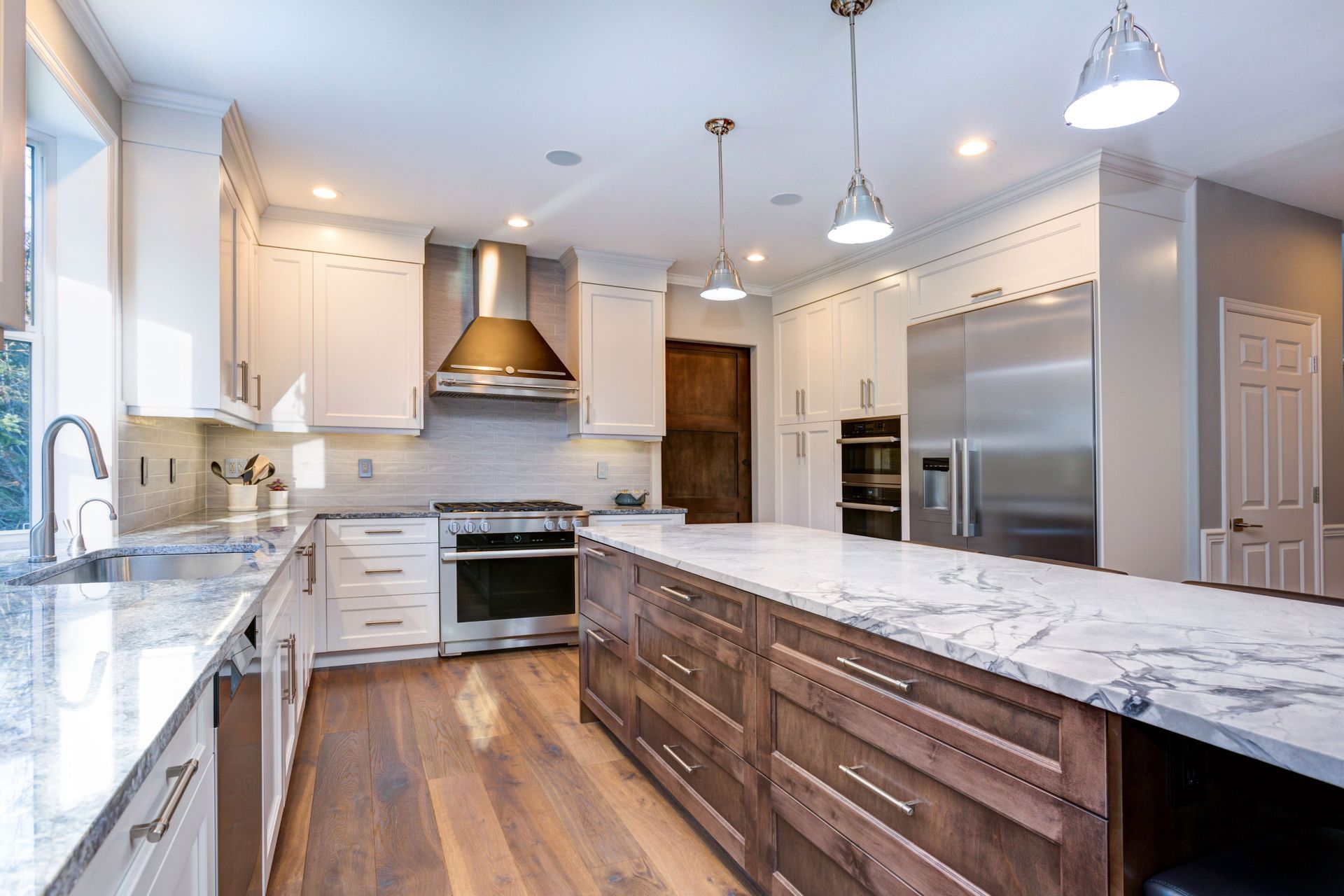
Lighting conditions significantly influence how both stone types appear within a home environment. Quartzite reflects light in a soft, luminous manner that enhances the perceived space and brightness of a room. Granite absorbs and reflects light across its multi-colored mineral flecks, creating depth and shifting visual effects throughout the day.
Customization options allow homeowners to tailor both materials to match their specific architectural preferences when customizing natural stone surfaces. Slabs can be cut with various edge profiles, ranging from simple clean edges to ornate rounded designs. Selecting between polished, honed, or leathered surface finishes lets homeowners achieve either a glossy sheen or a matte texture.
Evaluate Everyday Physical Performance
Durability remains a primary factor when choosing natural stone for high-traffic household spaces. Both quartzite and granite demonstrate impressive resistance to elevated temperatures, allowing them to withstand hot cookware without scorching. Essential heat resistance is critical for kitchen countertops where hot pans and active meal preparation occur daily.
Surface porosity varies between these two materials, making proper sealing essential for stain prevention. Unsealed natural stone can absorb oils, acidic liquids, and dark pigments, leading to permanent discoloration. Diligent application of quality stone sealers creates a protective barrier that keeps liquids on the surface where they can be wiped away easily.
Scratch resistance is another area where both materials perform exceptionally well during daily food preparation activities. While these dense stones resist scratches from knives and utensils, using cutting boards protects both the stone finish and the sharpness of cutlery. With reasonable care, both materials withstand heavy daily use without showing signs of wear.
Assess Environmental Industry Impacts
Environmental considerations play an increasingly prominent role in modern material selection for residential projects. Sourcing natural stone involves quarrying practices that require careful management to minimize land disruption and energy consumption. Many stone suppliers now emphasize responsible extraction techniques and sustainable site restoration when developing sourcing practices for granite and quartzite countertops.
Manufacturing processes for natural stone focus on maximizing slab yield and repurposing leftover stone remnants. Stone fragments are frequently recycled into landscaping aggregate or decorative tiling, minimizing industrial waste sent to landfills. Choosing long-lasting natural materials also reduces the need for frequent replacements, lowering overall lifecycle resource consumption.
Market demand for premium surfacing products continues to shape manufacturing investments and global industry growth. The market for quartz kitchen countertops is projected to expand from USD 7.19 billion in 2025 to USD 9.85 billion by 2032, according to Intel Market Research. Understanding these broader industry trends highlights the enduring popularity of durable stone options in modern homes.
Select Proper Renovation Materials
Choosing between quartzite and granite depends on balancing aesthetic preferences, practical needs, and overall project costs. Quartzite offers an elegant, marble-like appearance with incredible hardness, though it often carries a higher price tag due to complex quarrying. Granite provides exceptional durability and a wider range of budget-friendly pricing options for diverse project scales.
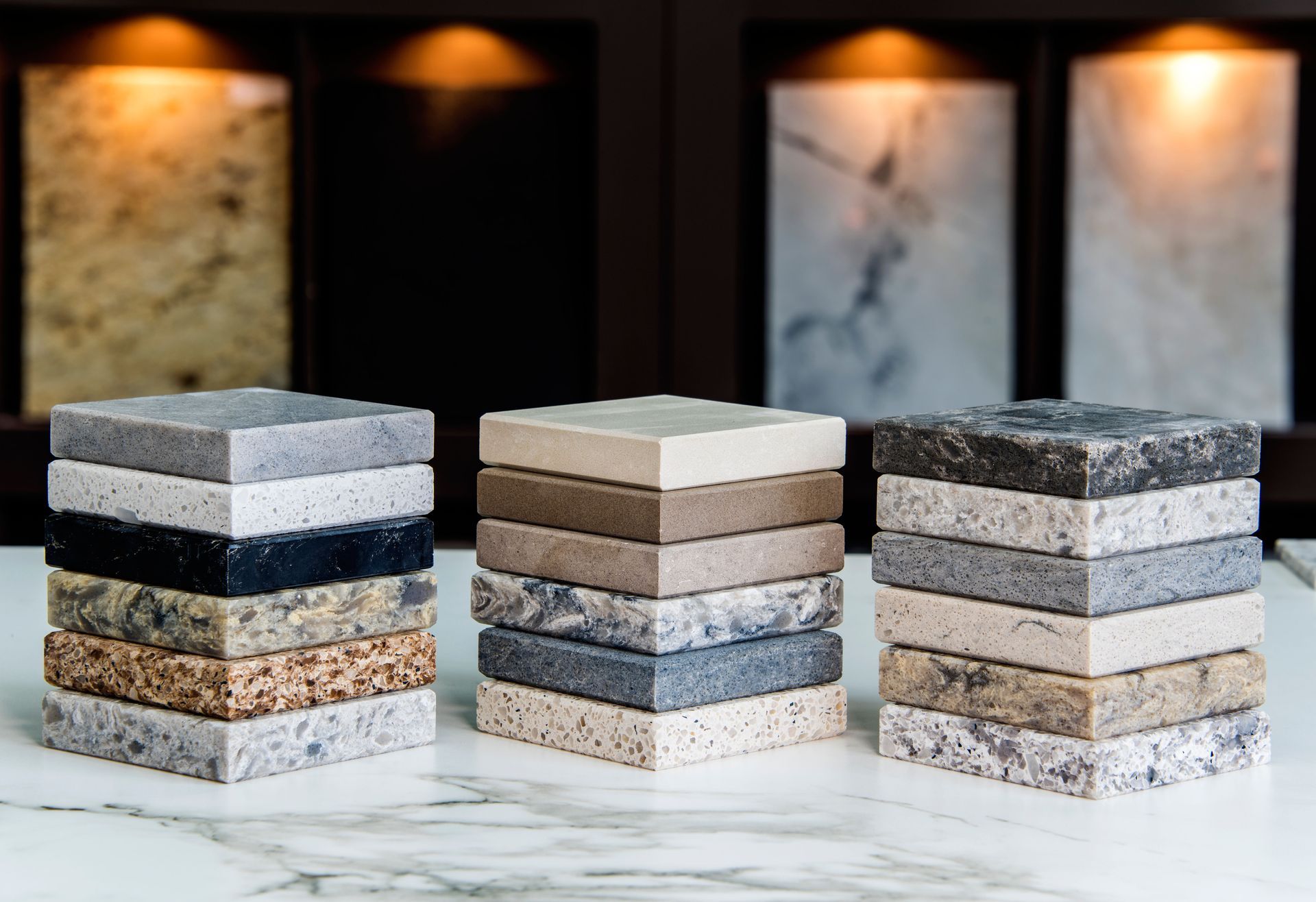
Working with experienced stone specialists helps clarify material differences and simplifies the selection process. Visiting a showroom allows homeowners to view full slabs, feel different surface finishes, and evaluate color options under realistic lighting. Professional guidance ensures that the chosen stone aligns perfectly with cabinet styles, wall colors, and overall design goals.
Careful planning extends beyond material selection to include professional fabrication, proper handling, and accurate installation. Experienced installers ensure precise seam placement, secure mounting, and proper initial sealing for long-term performance. Taking a comprehensive approach to planning guarantees a smooth installation process and lasting satisfaction with your investment.
Selecting between quartzite and granite involves evaluating visual style, structural performance, and financial considerations. Both natural stone options deliver impressive durability, distinct aesthetic charm, and lasting value for residential spaces. By understanding the unique characteristics of each material, homeowners can make a confident choice that enhances their daily living experience.
Investing in high-quality natural stone upgrades the beauty and functionality of any kitchen or bathroom space. Proper installation and routine care ensure that these remarkable surfaces retain their elegance and structural integrity for decades to come. When you are ready to explore premium material options for your home, contact Corinthian Kitchen & Bath so we can help you choose and install the perfect natural stone countertops for your home.